
“The Day My Son Left” - A mother’s story.
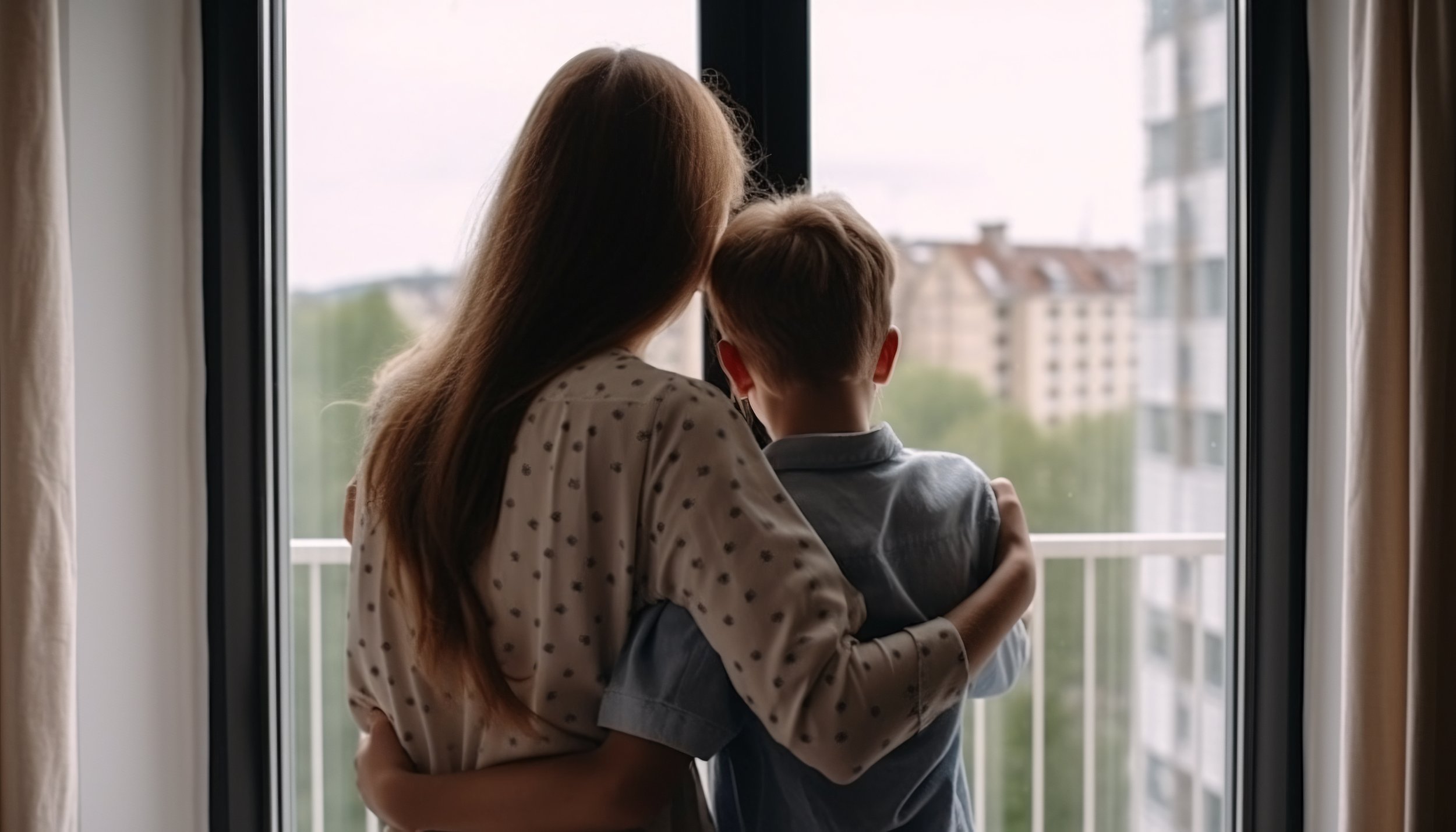
Lady News is committed to amplifying lived experience, particularly where it exposes gaps in how systems respond to harm. The following piece has been shared by a mother in Western Australia, whose identity has been withheld for privacy.
Her story speaks to an issue that remains under recognised in Australia: post-separation coercive control involving children. We are publishing this account in full to support greater awareness, and to contribute to calls for reform that recognise children as victim-survivors in these situations.
My story spans more than fifteen years. It is a story about coercive control that did not stop when the relationship ended and how children can become the tools through which that control continues.
The Early Warning Signs
I met my former partner in 2009. At the time what I now recognise as love bombing felt like intense affection. Expensive gifts big gestures and constant attention created a sense of security and commitment very quickly. Looking back now I can see the warning signs that were easy to miss at the time. Phone calls taken out of the room. Passwords on devices and conversations that left me feeling confused or questioning my own perception of events.
These behaviours were subtle but consistent. When I questioned things that did not make sense I was told I was mistaken overreacting or imagining things. Before long I was pregnant.
The Night Everything Changed
In 2010 after our son was born the cracks widened. I remember waking in the middle of the night when my baby was six weeks old and finding his bassinet empty. My partner was gone too. Panic set in as I searched the house until I found them outside on the patio. It was winter and freezing cold. My baby was lightly dressed and wrapped in a thin blanket.
Nearby was a large bag filled with empty medication blister packets. That moment was a turning point. It was the moment I realised something was deeply wrong. Within days I left with the support of my family. I was fortunate, many women do not have that support. My family rallied around me and helped me rebuild stability for myself and my baby.
But leaving did not end the control.
Post Separation Coercive Control
Over the following years the relationship shifted into something different but equally destabilising. The control continued through systems that were supposed to protect families. There were sudden disputes about care arrangements repeated administrative challenges through child support systems and unpredictable communication patterns that created constant disruption.
At times there would be long periods of silence. Then sudden demands or changes that required immediate responses. It was like living with weather patterns that could shift without warning calm skies followed by sudden storms. Despite this my son had stability.
He lived primarily with me and grew up in a loving household surrounded by extended family. His stepfather entered his life when he was young and formed a strong and supportive relationship with him. Our home was full of cousins, grandparents, uncles and aunties who were deeply involved in his life.
Building a Stable Life
As the years passed our family grew. His two younger brothers were born and my son thrived in many ways despite the challenges surrounding contact arrangements. He was diagnosed with autism and ADHD and began receiving professional support and therapy. His needs were understood and accommodated within our household and school environment.
Like many families navigating neurodivergence structure and predictability were incredibly important. But unpredictability remained a feature of his relationship with his father. Contact was often inconsistent. Plans would change suddenly or fall through altogether. Communication rarely occurred directly between adults and instead flowed through our son.
Subtle Changes
When our son entered early adolescence small shifts began to appear. He started returning from visits repeating language and ideas that seemed far beyond what would normally come from a young teenager. There was a growing sense of tension around loyalty and allegiance. Conversations about his father became rigid and absolute.
At the same time his anxiety increased significantly. He began struggling emotionally and eventually began seeing a psychologist to support his mental health. Looking back now these were early indicators of something deeper developing a pattern increasingly recognised internationally as post separation coercive control involving children.
The Day My Son Left
The 22nd of April 2025 is a day I will never forget. It was the day my son secretly left our home with the help of his father. He had packed all his belongings without my knowledge. What followed was a rapid breakdown in communication. Contact stopped, devices changed and access to him became extremely limited.
The boy who had spent fifteen years living in our home with his brothers suddenly vanished from our daily lives. Legal processes were initiated in an attempt to restore stability and address the situation. Court proceedings revealed concerning patterns of communication and influence that had developed over time. Despite this the situation remained extremely complex. Our son ultimately chose to remain living with his father.
The Impact on the Whole Family
When people talk about parental alienation they often focus on the relationship between the child and one parent. What is less often discussed is the impact on the entire family network. My son was not only separated from me. He was separated from his younger brothers who grew up with him every day, his grandparents who played a major role in raising him, his aunties uncles and cousins he saw every week in a family environment where he had lived his entire life.
The sudden absence of their brother deeply affected our younger children. Children understand loss even when they do not fully understand the reasons behind it. His younger brothers still talk about him every day. They ask when he is coming home or whether he will come to their birthdays, Easter, Christmas and family events. Explaining an absence like this to children is something no parent is ever prepared for. Our home once full of sibling energy and noise now carries a quiet absence
When Systems Do Not Recognise the Pattern
One of the most difficult parts of this journey has been watching systems struggle to recognise patterns of coercive control after separation. Many frameworks still treat events as isolated incidents rather than recognising long term behavioural patterns. Yet coercive control is rarely about one moment. It is about a pattern of behavior over time.
Increasingly research and policy discussions are recognising that children themselves can become victim survivors of coercive control when they are used to manipulate punish or control the other parent. But awareness within systems is still developing.
A Mother’s Hope
Despite everything that has happened I have not given up on my son.
He will always be loved.
He will always have a home with us.
The evening before he left, he came and sat beside me on the couch while I was watching television. Our dog curled up beside us like she always did. He leaned quietly into me and stayed there for a while. At the time it felt like an ordinary moment between a mother and her son. Now I sometimes wonder if that was his way of saying goodbye. I hold onto the hope that one day he will return to us.
Some evenings I still find myself expecting to hear his voice in the house or footsteps down the hallway. Those ordinary sounds of family life are the things you miss the most when they suddenly disappear. Sometimes I sit quietly in his room holding the teddies he slept with from when he was a baby or the clothes, he once wore just to feel close to him. Until then I will continue speaking out so that other families may one day be better protected.
Coercive control is rarely a single event. It is a pattern of behaviour that unfolds slowly over time often in ways that are difficult for others to recognise. After separation that pattern can continue through children placing them in the middle of dynamics they should never have to carry. In those situations, children can become the silent victims of coercive control experiencing pressure loyalty conflicts and the gradual loss of a relationship with a safe parent who has always been part of their world.
Turning Pain into Advocacy
While the personal loss remains profound this experience has also led me into advocacy. I have been working with policymakers to raise awareness about the need for stronger recognition of post separation coercive control involving children. My advocacy focuses on recognising children as victim survivors of coercive control, Improving cross agency responses across family violence systems and strengthening training and legislation so professionals can identify these patterns earlier.
Every day I carry the love I have for my son and the hope that one day we will be reunited. But I also carry the responsibility to speak about what happened. Because behind closed doors many families are experiencing similar patterns of coercive control that remain misunderstood or invisible. If sharing my story helps bring greater awareness and stronger protections for children then this loss will not be entirely without purpose. My hope is that by speaking openly the experiences of children affected by coercive control will finally be recognised and better protected.