
Raygun dared to be different. Why did that make us so angry?
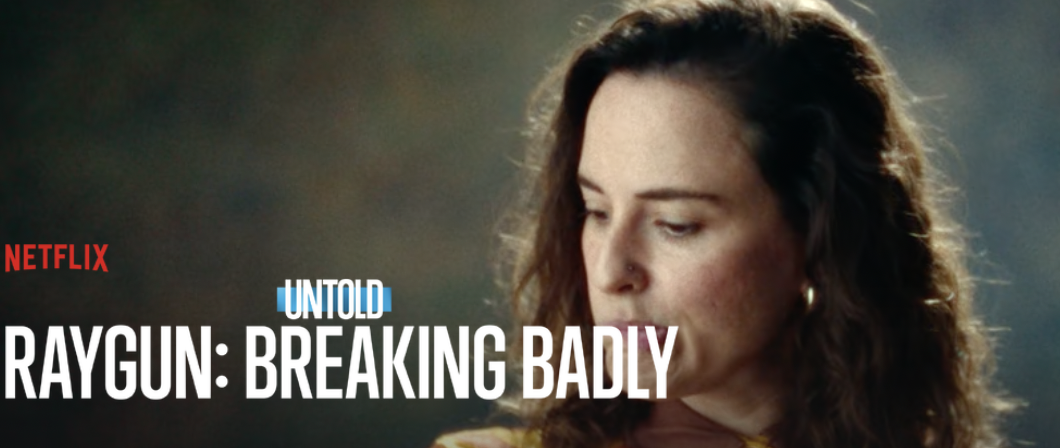
Image: Netflix
Netflix’s new documentary Untold Raygun: Breaking Badly gives Rachael Gunn something she rarely received in the aftermath of the Paris Olympics: the chance to be seen as a person rather than a punchline.
In 2024, Raygun walked onto the Olympic stage, performed a routine unlike anything most of us had seen before, scored zero points and became one of the most recognisable Australians in the world almost overnight.
What followed was extraordinary and the memes were immediate. Then came the ridicule, conspiracy theories and increasingly personal attacks.
Now, two years later, the documentary takes us back through that experience and one part of the story is particularly uncomfortable: how much of that criticism came from other women.
Breaking has traditionally been a male-dominated space. Raygun had already done something relatively few women had done simply by carving out a place for herself within it. Yet when she reached the biggest stage imaginable and didn’t perform in the way people expected, women weren’t necessarily lining up behind her.
Some were among her harshest critics. Fellow B-Girls interviewed in the documentary describe feeling embarrassed and even offended by her Olympic performance. Outside the breaking community, the criticism was relentless.
Nobody has to pretend Raygun was the best breaker at the Olympics. She wasn’t. She scored zero points and even she can now look back and admit parts of the performance were “cringe”.
But since when did being unsuccessful at something justify what happened next? There is something depressingly familiar about watching a woman enter a traditionally male space and discover there is a very narrow window in which she is allowed to exist.
Australian radio is an obvious example. For decades, the biggest and most influential shifts have overwhelmingly belonged to men. Male voices have long dominated radio, particularly the powerful presenter positions while Television has its own version. Women might be more visible on screen today, but visibility doesn’t necessarily equal power, with women still underrepresented in media leadership.
And women who do make it into these spaces often learn another rule: you can be different, but not too different. Which brings us back to Raygun. She didn’t look like the other competitors. She didn’t dance like them. She didn’t have their athleticism. She couldn’t beat them at what they did best, so she decided to do something different.
And the world absolutely punished her for it. Social media turned what might once have been a bad Olympic performance discussed around Australian dinner tables for a few days into a global pile-on. Memes travelled across the world within hours. False claims about how she qualified spread alongside them, including allegations that she had somehow manipulated the selection process.
Suddenly, we weren’t critiquing a performance anymore. We were deciding what sort of woman Raygun was. Why are we so uncomfortable with women who are different? Perhaps that’s the more interesting question. Why does a woman being unapologetically unusual make people so uncomfortable?
Raygun’s performance was strange. It was memorable. It was completely her. And ironically, one of the people who seemed to understand that better than most was Richard Branson. While millions of people were laughing at Raygun, Branson saw the very thing others were mocking; her individuality. He personally invited her aboard a cruise with him, celebrating her creativity and individuality.
Maybe there’s something worth learning from that. Successful people often talk endlessly about innovation, originality and thinking differently. Yet culturally, we seem remarkably uncomfortable when somebody actually does. Women can be guilty of policing those boundaries too.
Journalist Mary Madigan recently experienced a smaller version of this after joining Kyle Sandilands’ new live podcast. Some women told her she could no longer call herself a feminist because she had chosen to work alongside a man they disapproved of. Madigan’s response was essentially that feminism isn’t a club from which other women get to revoke your membership.
She’s right. Supporting women doesn’t mean blindly applauding everything another woman does. It doesn’t mean Raygun’s Olympic performance was above criticism, or that women can’t disagree with Mary Madigan’s career choices.
It means allowing women the same freedom we routinely demand for ourselves: to take risks, make unconventional choices, get things wrong and occasionally look ridiculous without having our entire character put on trial. Untold Raygun: Breaking Badly doesn’t prove Raygun deserved an Olympic medal.
It reminds us she deserved some humanity. And perhaps the woman who became famous for doing something completely different shouldn’t be remembered for scoring zero points. Maybe she should be remembered for having the courage to do it differently in the first place.